
Quick Answer: If you’re thinking “I want to sell my CT scanner,” here’s the short version. Used CT scanners typically resell on the dealer market for roughly $90,000 to $900,000 depending on slice count, age, and configuration — and the offer you receive as a seller will be a fraction of that retail figure, because the buyer absorbs deinstallation, rigging, freight, refurbishment, warranty, and resale risk. The single biggest driver of your system’s value is the X-ray tube and how much life it has left, followed by slice count (16, 64, 128, or 256), installed software licenses, and the platform’s generation. National refurbishers like Amber Diagnostics — buying used radiology equipment since 1994 — generally pay the most for complete, working systems with documented service history, and the process can be as simple as three steps: submit your equipment details, receive a fair offer from an equipment specialist, and get paid once the contract closes.
Who Buys Used CT Scanners?
The secondary market for CT is active and well established. When a hospital or imaging center decommissions a scanner, it typically ends up with one of four types of CT scanner buyers:
- National refurbishers and dealers. Companies that buy complete systems, transform imaging equipment back into like-new condition, and resell them with warranties. This is what Amber Diagnostics has done since 1994, and it’s usually where sellers of working, well-documented systems get the strongest offers.
- Parts harvesters. Buyers who purchase systems primarily for the tube, detector, boards, and other components. They’re a fit for older or non-working scanners, but offers reflect component value only.
- Auction houses and liquidators. Common in facility closures and bankruptcies. Speed is the appeal; sale price is unpredictable, and the seller often still pays removal and rigging.
- End users and brokers. Occasionally a clinic or an international broker buys direct. These deals can work, but the seller carries more logistics and payment risk.
OEM trade-in programs are a fifth path, but trade-in credits are usually contingent on buying a new system from the same manufacturer, and the credit often values your scanner below what the open secondary market would pay.
For most facilities asking “who will buy my used CT scanner?”, a national refurbisher offers the best balance: a real cash offer, experienced deinstallation and rigging logistics, and 30+ years of buying on the secondary market to back it up.
What Determines a Used CT Scanner’s Value
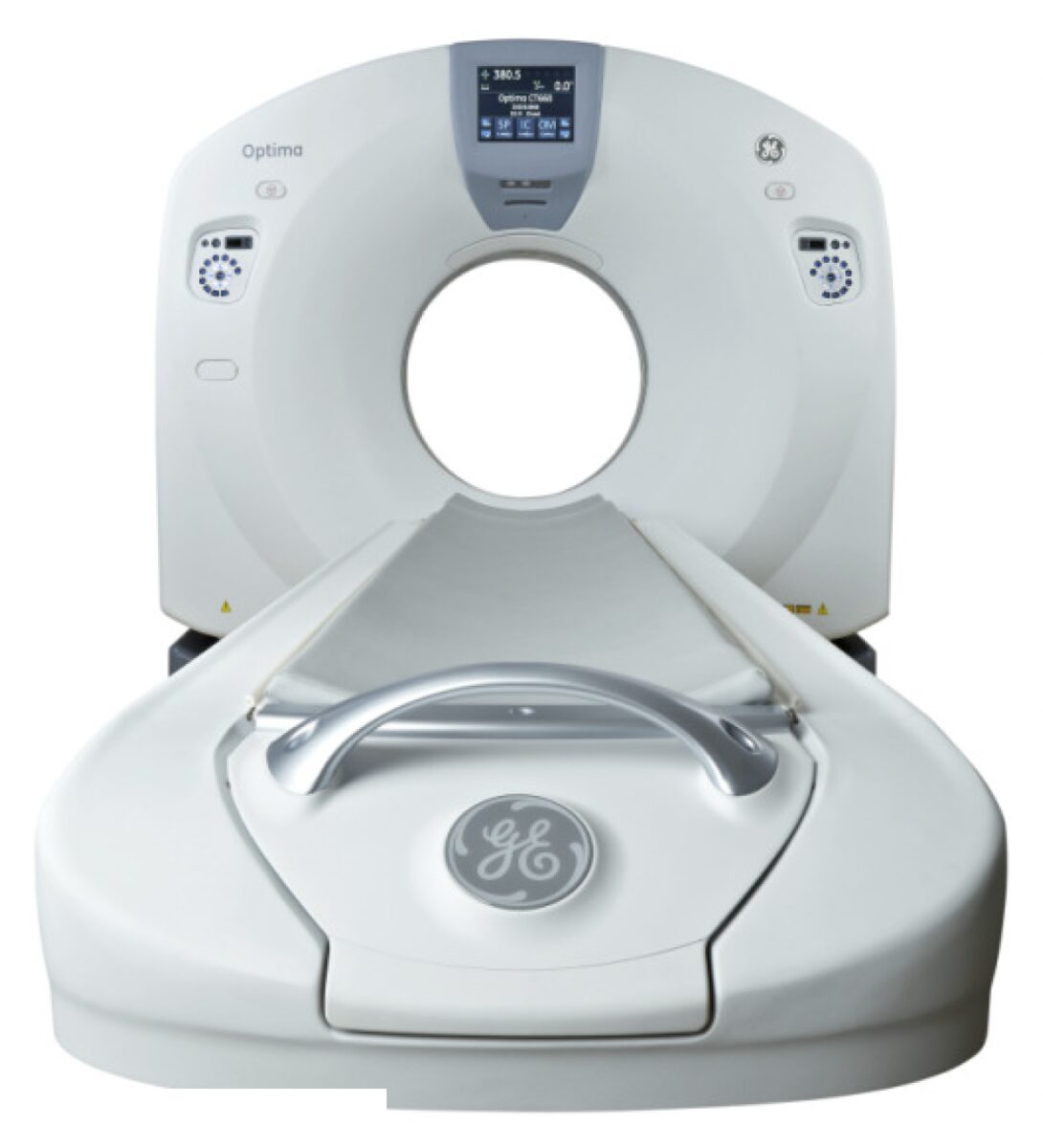
Two scanners of the same model year can be worth very different amounts. When you sell a used CT scanner, buyers evaluate a fairly consistent set of factors.
Slice Count and Platform Generation
Slice count is the headline spec. A 16-slice system serves general-purpose imaging and holds modest value; 64-slice scanners are the workhorse of the resale market, in steady demand from hospitals and imaging centers; 128-slice and 256-slice systems command the highest resale prices because they support cardiac, trauma, and advanced protocols. You can see how these tiers price on the buy side across Amber’s refurbished CT scanners for sale — demand on that side of the market is what funds your offer.
Platform matters as much as raw slice count. Widely supported OEM platforms — GE LightSpeed and Optima, Siemens SOMATOM Definition and Emotion, Canon (Toshiba) Aquilion — are easier to refurbish, easier to source parts for, and easier to resell, so they typically draw stronger offers than orphaned or end-of-support platforms.
The X-Ray Tube
The tube is the single biggest value factor on a used CT scanner — enough that it gets its own section below. Buyers will ask for your tube usage report (mAs and/or scan seconds, depending on OEM) before quoting almost anything else.
Detector Condition
The detector array is the other high-cost assembly in the gantry. A detector with dead channels, artifact history, or water/coolant damage can turn a system purchase into a parts purchase. Clean, recent QA and calibration records help a buyer price your detector with confidence instead of discounting for uncertainty.
Software Licenses and Options
Installed, transferable software meaningfully raises used CT scanner value. Cardiac packages, dose-reduction options (iterative reconstruction, dose-check compliance), CT fluoroscopy, and advanced visualization licenses all make the system more resellable. A 64-slice scanner with cardiac and dose packages is a different asset than the same hardware with a base license.
Service History, DOM, and Completeness
Date of manufacture (DOM) sets the depreciation baseline, but a well-maintained older system often outsells a neglected newer one. Continuous OEM or qualified ISO service coverage, documented preventive maintenance, and a complete system — phantoms, injector interface, workstation, manuals, cables — all push offers up. Gaps in service history push them down, because the buyer prices in the unknown.
Reference Table: CT Value Drivers at a Glance
Here’s how the major factors typically move an offer, directionally:
| Value Driver | Strong Position | Weak Position | Typical Impact on Offer |
|---|---|---|---|
| X-ray tube life | Recently replaced tube with low mAs / scan seconds | Tube at or near end of expected life | Very high — often the largest single swing factor |
| Slice count | 64, 128, or 256 slices | 4–16 slices on an aging platform | High — sets the market tier |
| Software licenses | Cardiac, dose-reduction, advanced visualization installed and transferable | Base license only | Moderate to high |
| Platform generation | Current or recent GE, Siemens, Canon platforms with parts support | End-of-support or orphaned platform | Moderate to high |
| Detector condition | Clean QA, no artifacts, calibration current | Dead channels, artifact history | Moderate — can flip a deal from system to parts |
| Service history / DOM | Continuous documented coverage, complete records | Undocumented, out of coverage, unknown history | Moderate |
No single row decides the number. Buyers weigh the whole picture — which is why a specific quote against your actual system beats any generic estimate.
How Much Is My CT Scanner Worth? Realistic Ranges
Start with the retail side of the market, because it frames everything. Refurbished CT scanners typically sell for roughly $90,000 to $900,000, with most facilities landing in the $90,000–$400,000 band — commonly 30–70% below the cost of new. Amber’s 2026 CT scanner pricing guide breaks those tiers down in detail by slice count and configuration.
Your offer as a seller will be a fraction of those retail numbers, and it’s worth understanding why rather than treating it as a lowball. Between your loading dock and the next facility’s scan room, the buyer typically pays for:
- Deinstallation and rigging out of your facility
- Freight, insurance, and climate-controlled storage
- Refurbishment — multi-point inspection, replacing and repairing worn parts, electrical refurbishment, final calibration, and QA (phantom) testing
- A replacement tube, in many cases, before resale
- Warranty reserve, installation support for the next buyer, and months of carrying cost while the system waits for a match
As directional guidance only: a working 16-slice system near the end of its tube life may draw a modest four- to low five-figure offer; a well-optioned 64-slice scanner with a healthy tube commonly draws a solid five-figure offer; and late-model 64-slice-and-up systems with fresh tubes, transferable cardiac and dose licenses, and clean service records can reach six figures. Specific offers vary with configuration, condition, location, and current market demand — a custom quote always makes more sense than a generic number.
Not sure where your system falls? Skip the guesswork — tell us what you have and an equipment specialist will call you back with a fair offer. Start Selling Here, or call +1 888-561-7900 with your model and tube count in hand.
Tube Life: The Number That Moves Your Offer Most
Every CT scanner’s X-ray tube is a consumable. It wears out with use, and replacing one is a major expense — commonly running from the tens of thousands of dollars well into six figures for high-end tubes, depending on the model. That’s why buyers treat tube life as the first question, not a footnote.
Tube usage is measured differently by OEM — GE systems typically report mAs (milliampere-seconds), while Siemens and Canon systems often track scan seconds — but the logic is the same: the counter tells the buyer how much of the tube’s expected life has been consumed.
Here’s what that means for you as a seller:
- A fresh or low-usage tube can swing an offer meaningfully. If your tube was replaced recently, the buyer skips one of their largest refurbishment costs, and offers often rise accordingly — sometimes by tens of thousands of dollars on higher-end systems.
- A tired tube doesn’t kill the deal — it reprices it. Refurbishers replace tubes routinely; the expected replacement cost simply comes out of the offer.
- Pull the usage report before you talk to anyone. Your service engineer can generate it in minutes, and having the real number keeps every buyer’s quote honest and comparable.
One caution: replacing a tube yourself right before selling rarely pays off. The offer bump generally won’t cover the full cost of a tube you paid retail for. If your tube is already fresh, highlight it; if it isn’t, let the buyer price the replacement into their refurbishment plan.
How to Sell Your CT Scanner: Step by Step
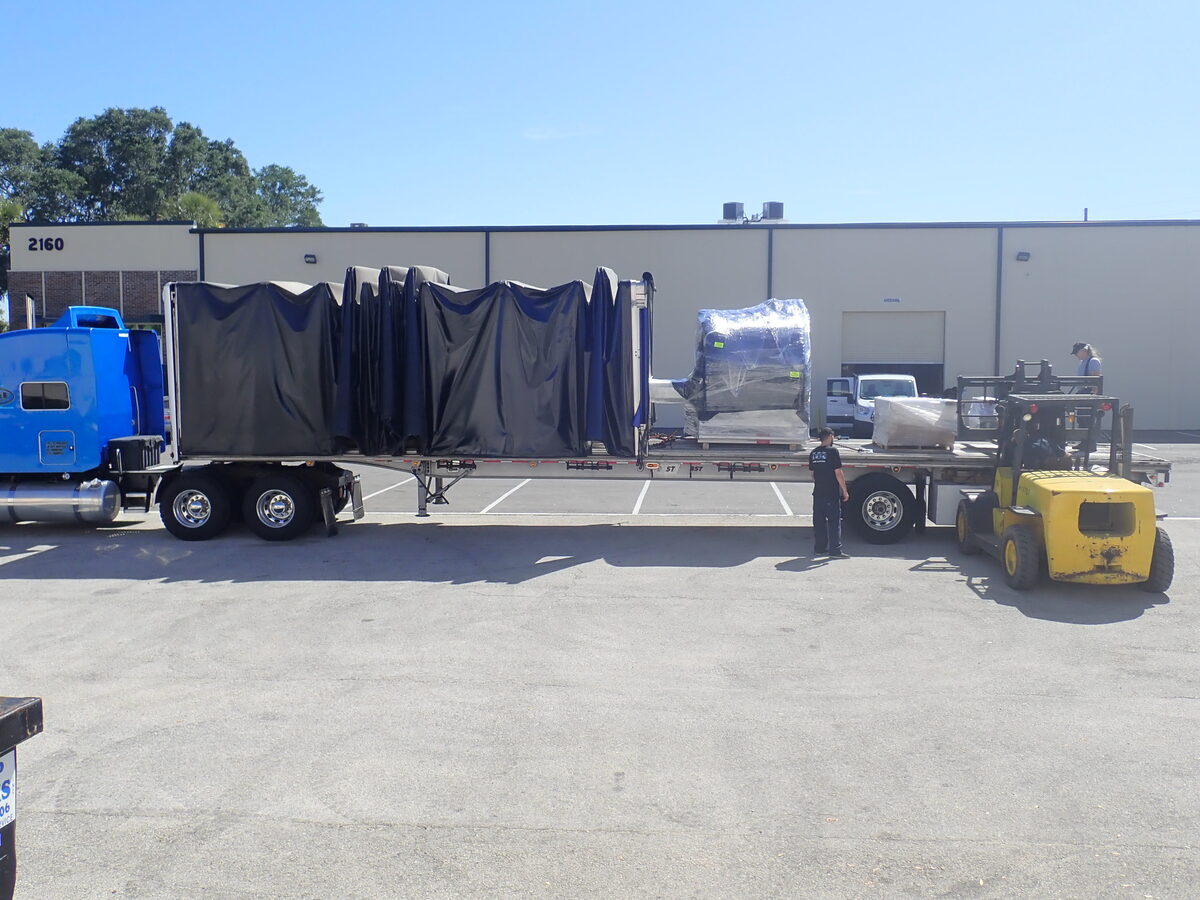
At Amber Diagnostics, we’ve built the sell process around a simple promise: WE MAKE IT EASY. Here’s the full sequence from decision to payment:
- Gather your system details. Model, slice count, DOM, tube usage report, installed software licenses, and service history. (The checklist below covers everything.)
- Submit the form with your equipment info. Go to our sell-your-equipment page (linked in the CTA below) and tell us what you have — it takes a few minutes.
- An equipment specialist calls back with a fair offer. We may ask for photos, error logs, or a brief inspection to firm up the number, and we’ll walk you through how deinstallation and rigging are handled — details that get finalized in your offer.
- Agree, close the contract, and get paid. Once terms are signed, logistics are scheduled around your facility’s timeline and payment follows per the contract.
- Deinstallation and removal. CT scanners are heavy, calibrated machines. With 30+ years of experience moving imaging equipment, our team coordinates rigging and removal so your suite is cleared professionally — often a bigger relief to facilities than the check itself.
Steps two through four are the core three-step flow: submit, get your offer, get paid. Everything else is preparation and logistics — and preparation is where sellers have the most control over their outcome.
Preparation Checklist: What to Gather Before You Ask for Offers
Buyers pay more when they can price with confidence. Before you request offers, pull together:
- System and serial numbers — model name (e.g., GE Optima CT660, Siemens SOMATOM Definition AS, Canon Aquilion 64), system ID, and serial number from the gantry label.
- Tube usage report — current mAs or scan seconds, plus the tube’s install date if it was ever replaced.
- Software license list — every installed option (cardiac, dose packages, CT fluoro, advanced reconstruction) and whether licenses are transferable.
- Service records — PM history, major repairs, parts replaced, and who serviced it (OEM or ISO).
- Photos — gantry front and rear, table, console/workstation, power distribution unit, and the system label. Wide shots of the room help buyers plan rigging.
- Logistics notes — floor level, door and corridor dimensions, elevator access, and your target removal date.
A seller who shows up with this package typically gets faster, firmer, and higher offers than one who starts with “we have a CT scanner, what will you pay?”
We Also Buy Other Radiology Equipment
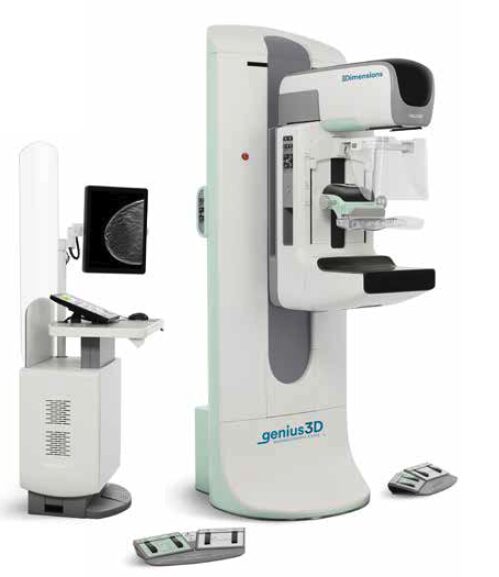
CT may be the headline, but if you’re clearing an imaging suite — or an entire facility — you can sell used radiology equipment of nearly every modality in one conversation. Amber Diagnostics buys directly from hospitals, imaging centers, and private practices nationwide:
Mammography Systems
If your search is “sell my mammography machine,” the same logic applies as CT: platform, detector condition, and tube life drive the number. Digital and 3D/tomosynthesis units from Hologic and GE are in steady demand on the secondary market. To see how these systems price on the resale side, review our mammography pricing guide — then bring us your unit’s details for an offer.
X-Ray Systems
We buy digital radiography rooms, rad/fluoro systems, and portable X-Ray units. Digital detectors (fixed or wireless DR panels) carry most of the value; systems that pair with the demand you’ll see across our X-Ray equipment for sale tend to draw the strongest offers.
Bone Densitometers (DEXA)
GE Lunar and Hologic Horizon DEXA systems are compact, easy to ship, and consistently in demand — which makes bone densitometers some of the simplest radiology equipment to sell. If it powers on, scans, and has its calibration phantom, it’s worth a conversation.
PET/CT Scanners
Hybrid PET/CT systems are high-value assets on the secondary market, and the CT half’s tube and slice count matter just as they do on standalone CT — with detector crystal condition on the PET side adding another major factor. If you’re decommissioning a PET/CT, get an offer before you get a rigging quote; the economics may surprise you.
We also buy MRI machines and C-Arms — if it’s medical imaging equipment, it’s worth asking.
When Is the Right Time to Sell?
Timing affects value more than most sellers expect. Three forces are worth watching:
Reimbursement shifts. Ever since the Deficit Reduction Act reshaped imaging reimbursement, payment policy has periodically redrawn the economics of owning older scanners — dose-standard requirements, for example, have imposed payment reductions on scans performed on non-compliant CT equipment. When a policy change makes your system less economical to operate, it’s usually making it less valuable to the next owner too. Selling ahead of a known change beats selling after it.
Upgrade cycles. Most facilities replace CT every 7–12 years. The best moment to sell is when your replacement is ordered but before your old system sits dark — a scanner that’s still under service coverage and recently in clinical use is easier to value and commands more than one that’s been powered down in storage for a year.
Decommissioning deadlines. Lease ends, facility closures, and construction timelines create hard dates. Start the selling conversation 60–90 days before your deadline whenever possible. Sellers who call a rigger first and a buyer second often pay twice for logistics; sellers who call two weeks before the wrecking ball forfeit negotiating leverage. If you know your date, we can usually work backward from it — contact us early and let the logistics plan form around your schedule.
Choosing a Buyer: Refurbisher vs. Auction vs. Parts Dealer
Once you have your documentation together, match the buyer type to your situation:
Choose a national refurbisher when your system is complete and working (or close to it), you want a firm offer with professional removal, and you’d rather deal with one accountable party. Refurbishers pay for resale value, not just parts value, so working systems with good tubes and licenses do best here. Ask any buyer how long they’ve operated, whether they handle rigging themselves or through established partners, and whether their refurbished systems meet the manufacturer’s performance specifications — a buyer who refurbishes and warranties what they sell (you can see what buyers ask on the other side of the deal in our CT scanner buying FAQ) has real incentive to value your machine accurately.
Choose an auction or liquidator when speed trumps price — bankruptcy, sudden closure, or a landlord deadline measured in days. Understand that hammer prices are unpredictable and fees plus removal costs come out of your side.
Choose a parts buyer when the system is down hard, the platform is end-of-support, or the detector or gantry has damage that makes refurbishment uneconomical. A fair parts offer beats paying for disposal.
Whatever path you take, get more than one number, make sure every offer states who pays for deinstallation and rigging, and get terms in writing before anyone touches the machine.
Frequently Asked Questions
How much can I sell my used CT scanner for?
It depends on slice count, tube life, licenses, and platform — but as directional guidance, seller offers run from a few thousand dollars for older 16-slice systems with tired tubes up to six figures for late-model 64-slice-and-up scanners with fresh tubes and transferable cardiac and dose licenses. Remember the frame: refurbished CT scanners retail for roughly $90,000–$900,000, and seller offers are a fraction of retail because the buyer funds deinstallation, freight, refurbishment, often a replacement tube, and warranty support. The fastest way to a real number is a specific quote against your system’s actual tube count and configuration.
Who buys used CT scanners?
Four main groups: national refurbishers (like Amber Diagnostics, buying since 1994), parts harvesters, auction houses, and occasional direct end users or brokers. Refurbishers typically pay the most for complete, working systems because they’re pricing resale value rather than component value. Parts buyers are the right call for down or end-of-support systems, and auctions fit hard-deadline liquidations. Compare at least two offers and confirm who covers deinstallation before you commit.
Does my CT scanner need a new tube before I sell it?
No — and buying one usually costs you money. Refurbishers replace tubes routinely and simply price the expected replacement into their offer, so a retail tube purchase right before sale rarely earns its cost back. If your tube was recently replaced in the normal course of operations, absolutely highlight it: a fresh, low-usage tube can raise an offer meaningfully. Either way, pull the tube usage report (mAs or scan seconds) so every buyer quotes against the same facts.
Can I sell a CT scanner that isn’t working?
Yes, in most cases. A non-working scanner on a supported platform still has real value in its detector, tube (if usable), boards, and mechanical assemblies, and some faults are economical for a refurbisher to repair. Expect offers closer to parts value than system value, and be upfront about the failure — error logs and the last service report help a buyer make a firmer offer instead of discounting for uncertainty.
Do you buy other imaging equipment besides CT?
Yes. Amber Diagnostics buys used MRI machines, PET/CT scanners, C-Arms, X-Ray and portable X-Ray systems, mammography machines, and DEXA bone densitometers from facilities nationwide. If you’re clearing multiple rooms — say, a CT plus a mammography unit and a DEXA — bundling everything into one conversation usually simplifies logistics and can strengthen the overall deal. Submit each system’s details and we’ll quote the package.
How long does the selling process take?
The offer part is fast: submit your equipment details and an equipment specialist calls back with a fair offer, typically after reviewing your photos, tube report, and service records. Total time from first contact to removal depends mostly on logistics — rigging schedules, your facility’s access constraints, and your preferred removal date, all of which get worked out in your offer and contract. Facilities with a hard deadline should start the conversation 60–90 days out where possible.
Related guides from Amber Diagnostics
- CT Scan Machine Guide: Types, Slice Counts, and 2026 Prices
- Who Buys Used Medical Imaging Equipment?
- Sell My MRI Machine: What It's Worth and How to Get a Fair Offer
Ready to Sell Your CT Scanner? Start Here
Amber Diagnostics has been buying used CT scanners and radiology equipment from hospitals, imaging centers, and private practices since 1994. Tell us what you have — model, tube count, licenses — and an equipment specialist will call you back with a fair offer and a removal plan built around your timeline. With our experienced team and extensive resources, we promise to bring excellent support and reliable end-to-end service.
Start Selling Here — or talk to a specialist directly: Toll Free +1 888-561-7900, direct 407-438-7847, or email info@amberusa.com.
